Search Results
48 results found with an empty search
Blog Posts (9)
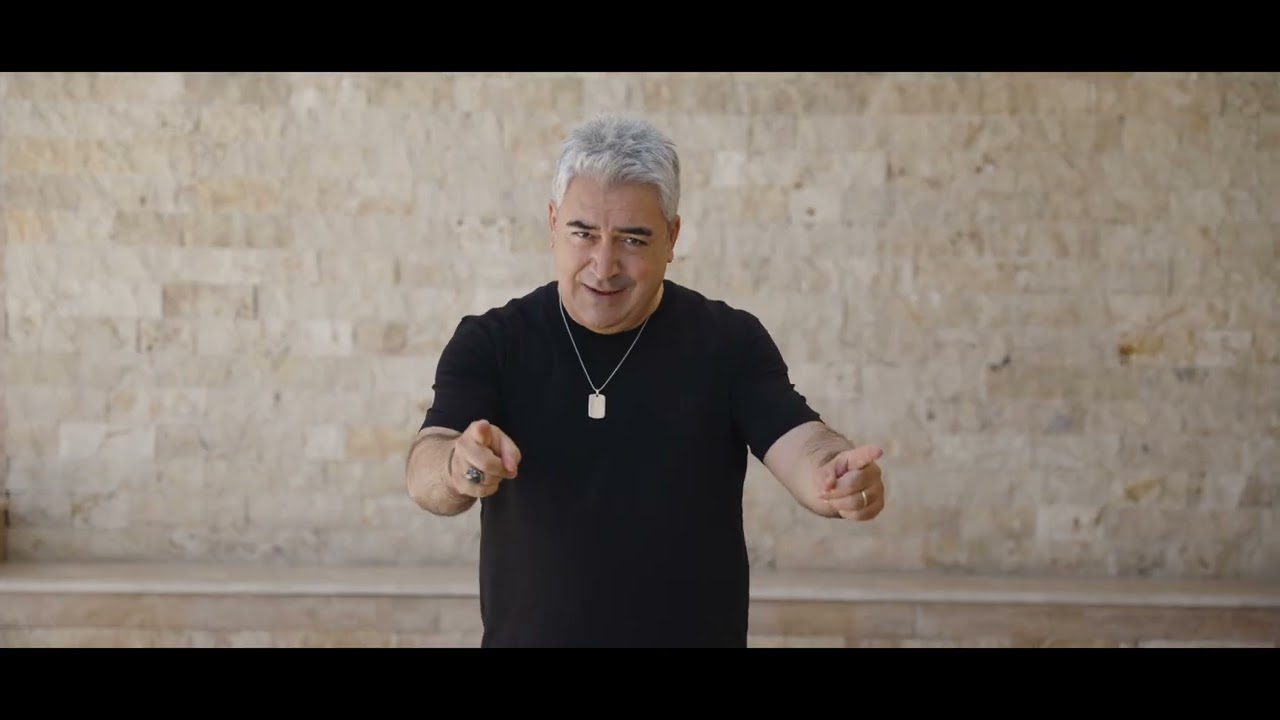
- Alp Arslan - My Heart Doesn't Stop Wide Sea
https://youtu.be/qVYoKXrbRd4?si=oGEOt3TM0Za1-1FV Dear Art Lovers; We present to your liking our Nihâvend Makâmı song named "My Heart Doesn't Durmaz Wide Sea", whose composition belongs to me, whose lyrics belong to Gül DEMİRER, and which belongs to the soloist Alp ARSLAN...
- I Can't Stop In This City. New Clip
Nevin Şahin & Ahsen Erkli's new single 'I Can't Stop In This City' is with you with its 4K quality video clip. Please do not forget to subscribe to our channel to be informed about our new works. I Can't Stop In This City My Gufter, who combined his beautiful words and feelings with my composition "I CAN'T STAY IN THIS CITY": To my teacher Aşkın TUNA, to Ms. Ahsen ERKLİ, who gave life to my composition with her beautiful interpretation, to my esteemed teacher Tacettin ŞAHİN, who undertook my music direction and gave my law education, to all my saz friends who contributed with their notes, Endless Thank You. My Notes are Entrusted to My Listeners !!! Lyrics: My arm is broken and bleeding with your longing I can't help but think It's coming at me, everywhere is coming at me I can't stand this city without you It's like your dream stops on every street A memory hits me in every street Please come and keep me alive I can't stand this city without you Even your room looks the same at home I can't keep my age when I look at it I don't have any wisdom or patience left. I can't stand this city without you Lyrics: Askin Tuna Composition: Nevin Şahin Comment: Ahsen Erkli Music Director: Tacettin Şahin String Group: @NWS NewWorldStrings Violins: Ahmet Darıcı - Cem Onur - Seyhun Darıcı String Recordings: Emrah Moğulkoç (Studio Emrec) Cello: Yemen Dursun Clarinet: Şükrü Tırkış Rhythm Composition: Erkan Kanat Piano - Bass: Göksel Kamçı Kanoun : Tacettin Şahin Edit - Mix - Mastering: Taner Ersoy (Stüdyo Çatı) Video Director: @Serkan Şahin Cinematography: Yunus Emre Çakım Set Supervisor: Ali Acar Editing & Assistant: Mert Küçükçulha Color & Correction: Serkan Şahin - Nevin Şahin Official Web Page : www.kanuninevin.com #nevinşahin #ahsenerkli #buşehirdeduramıyorum #youtube #music
- What kind of instrument is a stringed instrument?
The kanoun, which is the sine qua non of Turkish classical music, is a member of the stringed instruments family with an impressive and powerful voice. It has a slightly different structure compared to other stringed instruments. The instrument, which is said to have been invented by Farabi, was also used by the Sumerians and Egypt in ancient times. Consisting of 4 or 27 frets, there are 3 strings in each fret of the qanun, and these strings are usually made of nylon. While the kanoun is mostly produced from trees such as sycamore and linden, it can also be made from thick plywood today. #Kanun #TürkMüziği #TelliÇalgılar


Events (2)
- 14 Ekim 2024 | 17:30Gümüşsuyu, Tak-ı Zafer Cd., 34437 Beyoğlu/İstanbul, Türkiye
- 5 Aralık 2023 | 10:00Çamlıtepe, Akgün Cd. No:1, 34457 Sarıyer/İstanbul, Türkiye


Other Pages (26)
- Qanun Making | Nevin Şahin Instrument Qanun
Qanun is the knowledge of the construction and formation of the instrument, as a musical instrument produced through handicrafts or industrial production.. Kanoun Making kanoun Structure The structure of the kanoun is almost the same as the instruments called “zither” or “cimbal” used in Western music. Kanouns have two structures with 24 or 25 voices. The sound field of 24 voices; from rough yegah (RE) to treble beginner (FA), and from those with 25 voices, from rough yegah to treble neck (SOL). At the top are musicians who use 26 or 27 voice kanouns to add a Treble Muhayyer (LA) or Treble busel (SI). The skeleton of the kanoun is made of lime wood, a soft tree. Skeleton flat corners are also called a dovetail. The chest is made as a mahogany coating on plane or fir, the back on solid walnut or linden plywood. A gusset made of lime wood is glued and screwed to the wide-angle corner where the upper edge and the pegs and auger board meet. Attaching of Wires in Kanoun The slider covering the part where the wires are attached is removed on the right side of the kanoun. A knot is thrown in such a way that it cannot be opened to the end of the wire to be attached. It is inserted into the hole belonging to that wire in the slot on the right side. When the end of the wire comes out from the upper right edge of the kanoun, the knot is pulled into the socket. Then the wire is placed in the notch of that wire on the bridge. After the end of the wire is inserted into the hole of the auger, 1 cm part is bent in the direction of the lower end of the auger and held. The wire is wound on this curled part. Then it is placed in the auger hole. Kanoun Making The production stages of the kanoun instrument and the selection of wood material used in its construction People have chosen music as a tool to tell what is happening around it, to express themselves. They also called these instruments they used to express music. The biggest reasons for the instruments called this instrument to be made of wood are that wood is abundant in nature, sensitive to sound communication, and easy to process. The physical properties of wood material such as weight, hardness, degree of humidity and acoustics should be taken into account in making the Kanoun. Trees should be dried naturally up to 5-7% humidity. Appearance properties of wood, such as color and pattern, are also important. Attention should also be paid to the growing areas and growing conditions of the trees to be used in making the kanoun. It is possible to apply 3 types of varnish, namely shellac varnish, cellulosic varnish varnish and polyester varnish. Kanoun Repair - Repair and maintenance of damage to the main body - Latch change - Threshold repair and maintenance - Twirl change - Wire change - Varnish and polishing maintenance İleri
- Friend Referral | Kanuni Nevin
Beste, kanun entrümantal, koro, konser, kanun dersleri, klip çalışmalırını, etkinlikleri, bloğumuzda görüşlerinizi birliktikte olarak tavsiye edebilirsiniz. The referral program is not available.
- Lessons | Nevin Şahin Instrument Qanun
Instrumental qanun lessons are an educational process aimed at teaching participants the techniques and playing skills of an important instrument in traditional Turkish music. Lessons Our basic goal is for everyone to be able to play their own instrument and become self-sufficient after a certain period of time. We include pieces you love in our lesson content. In this way, you learn to play pieces you love in a short time. In addition, since your motivation is constantly high, your bond with your instrument is strengthened and your desire to learn increases. After a certain point, we need to be able to play the piece we want to play on our instrument more or less. For this, a correct technique and sufficient knowledge of notes are required. Learning and Playing, Playing and Learning! Instrument Qanun There are many benefits to studying music, and these benefits are extremely important for both personal development and social skills. Here are some reasons why you should study music: 1. **Creativity Development**: Music education increases your creativity. You have the opportunity to create musical compositions or discover new melodies while playing instruments. 2. **Discipline and Patience**: Learning music requires regular practice. This process helps develop discipline and teaches patience to achieve goals. 3. **Emotional Expression**: Music is a powerful way to express emotions. It enriches your emotional world both while performing and listening. 4. **Brain Functions**: Research shows that music education improves analytical thinking skills. Engaging in music strengthens memory and supports mathematical thinking. 5. **Social Skills**: Taking part in group activities (for example, in an orchestra or choir) improves your social interactions and increases your skills in teamwork, communication, and collaboration with people. 6. **Cultural Awareness**: Learning different types of music helps you become familiar with various cultures and deepens your understanding of cultural differences. 7. **Self-Confidence Boost**: Learning to play an instrument or performing on stage boosts your self-confidence; you strengthen your belief in your own abilities. 8. **Lifelong Learning**: Music is a constantly evolving art form; therefore, the process of receiving music education is a lifelong learning experience. In conclusion, studying music is more than just being involved in the arts; it is a multifaceted experience that supports your personal development and has many positive effects that will add value to your life. -NOTE- GENERAL MUSIC INFORMATION - KANOUN DEVELOPMENT -EXERCISES -THEORETICAL -ACORT ISSUE - VARIOUS EXPRESSION TECHNIQUES IN THE KANOUN (Arpeggio and chord techniques) -TRANSPOSITION - EXAMPLES FROM WESTERN MUSIC -ARPEGIO AND CHOIR TECHNIQUES History of the Kanoun Course Notes Playing Techniques Kanoun Making

Forum Posts (4)
- Kanuni Nevin Forum'a Hoş GeldinizIn Genel Tartışmalar·24 Ağustos 2021Konserlerimiz, etkinliklerimiz, koro, kanun çalışmalarımızı ve yeni çıkan beste ve kliplerimizi buradan paylaşarak beğeninize sunacağım. 💕💕💕 Beğenin ve Abone Olun !!! #beste #klip #türksanatmüziği #müzik #video #youtube #tsm #koro #konser #etkinlik #buşehirdeduramıyorum #nevinşahin #ahsenerkli #MüzikDünyası #TürkçePop #Sözler #Melodi •0016
- Alp Arslan "Kalbim Durmaz Engin Deniz"In Genel Tartışmalar·3 Ekim 2024Söz: Gül Demirer Müzik: Nevin Şahin Düzenleme: Tacettin Şahin Yönetmen: Uğur Tursun "Kalbim Durmaz Engin Deniz" şarkı sözleri ile Bu çırpınış bu bekleyiş Göz yaşımı dökerim ben Ağlarım hep sessiz sessiz Bütün arzu zevk benimle Şu ömrüm hep neşe dolsun Al gönlümü senin olsun Senden bana bir gün kalsın Aşk ile bakarsan eğer Bu sevgim hep sana değer Ne gün kalır ne de yürek Hasretinle bekleyerek Alp Arslan - Kalbim Durmaz Engin Deniz #aşkınenginliği #kalbimdedurmayansevgi #denizdeask #romantikdeniz #sevgilisözleri #KalbimDurmaz #EnginDeniz #MüzikVideo #TürkMüziği #PopMüzik #KlipÇekimi #YerliSanatçılar006
- Kanuni Nevin Forum kurallarıIn Genel Tartışmalar·24 Ağustos 2021Herkesin bu topluluktan en iyi şekilde yararlanmasını istediğimizden aşağıdaki kuralları okuyup takip etmenizi rica ediyoruz: • Diğer üyelere saygı gösterin • Mesajların forumun konusu ile ilgili olmasına dikkat edin • Spam göndermeyin #forum #topluluk #müzik #tsm #youtube #beste002
Services (3)
- Enstrüman Eğitimi
Müzik Eğitimi, Müzik Dersleri, Müzik Teorisi
- Kanun Online Dersi
Kanun Enstrümanı konusunda merak ettiğiniz bütün sorulara cevap bulabileceksiniz ve videolar ile desteklenip rahatlıkla kanun çalmayı öğrenebileceksiniz. Kanuna nasıl sahip olmanız gerekir, sazın en büyük sorunu olan akort yapmak, oturuş, yüzük ve mızraplarınızı takmayı, notaların hem kanun, hem de porte üzerindeki yerlerine, eser, şarkı ve makamlarda mandalların nasıl kullanılması gerektiğini, doğru ve kaliteli ton çıkarmaya kadar birçok bilgiye sahip olacaksınız.
- Kanun Online Dersi
Kanun Enstrümanı konusunda merak ettiğiniz bütün sorulara cevap bulabileceksiniz ve videolar ile desteklenip rahatlıkla kanun çalmayı öğrenebileceksiniz. Kanuna nasıl sahip olmanız gerekir, sazın en büyük sorunu olan akort yapmak, oturuş, yüzük ve mızraplarınızı takmayı, notaların hem kanun, hem de porte üzerindeki yerlerine, eser, şarkı ve makamlarda mandalların nasıl kullanılması gerektiğini, doğru ve kaliteli ton çıkarmaya kadar birçok bilgiye sahip olacaksınız.


Programs (4)
- Kanun Derslerine Başlangıç
Enstrüman eğitimi, müzik tutkusunu geliştirmek ve müzikal yetenekleri artırmak için bireylere sunulan kapsamlı bir süreçtir. Profesyonel eğitmenler eşliğinde, öğrenciler nota okuma, teknik beceriler, müzik teorisi ve sahne performansı gibi alanlarda eğitim alarak, seçtikleri enstrümanı ustalıkla çalmayı öğrenirler. Her seviyedeki müzisyenler için uygun olan enstrüman eğitimi, yaratıcı ifadeyi teşvik eder ve müziğin keyfini artırır.
